

What massage therapy and self-care offer
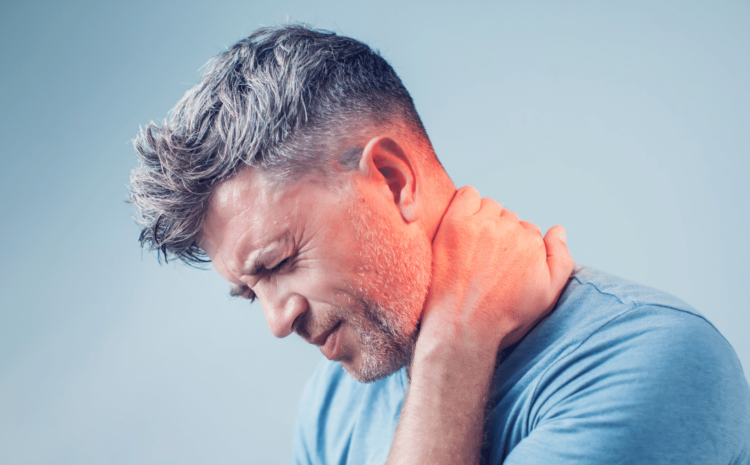
It’s not a panacea, but it could offer at least a partial answer to a very important public health problem. Massage therapy just might be a key in reducing our nation’s dependence on opioids and other pain medications.
While opioid addiction is a problem across our entire country, Midwestern states like Pennsylvania, West Virginia, Ohio and Kentucky have been hit harder than most states, especially with drugs like Fentanyl pouring across our nation’s southern border. The situation also was worsened during the COVID-19 pandemic, according to the National Institutes of Health (NIH), which also reported that rural areas in our nation are especially hard hit by the opioid crisis.
According to the National Center for Health Statistics, Kentucky saw a 54% jump in deaths by overdoses from April 2020 through April 2021. According to CDC National Center for Health Statistics data, overdoses in the state have shot up since September of 2019, reaching a high of more than 54 Kentuckians out of 100,000 people actually dying from a drug overdoses as of July 2022. Elimination, reduction and treatment of chronic pain is a very real problem, but so is drug addiction.
So what can be done?
In increasing numbers, health care professionals are suggesting an integrative approach to chronic pain relief, which includes treatments such as therapeutic massage. Not too surprisingly, therapeutic massage is a treatment supported and promoted by the American Massage Therapy Association (AMTA). But it’s also being supported by some extensive studies from the nation’s most respected medical institutions.
“Research on the efficacy of massage therapy for chronic pain continues to show great promise,” says Michaele Colizza, president of the AMTA. “Patients should discuss massage therapy as part of an integrative approach to their care with their physicians, as it can provide real value and relief.”
And Colizza is not just spouting her profession’s message. Her contentions are supported by decades of research, which have demonstrated the efficacy of massage therapy for relief of chronic pain as well as its value in reducing the need for opioids and other pharmaceuticals.
A recently published study from the Cleveland Clinic shows that multidisciplinary, non-pharmacological integrative therapies, including massage therapy, can improve physical, mental and social health for patients with chronic, non-cancer related pain without increased use of opioid medications. Patients received an evaluation and evidence-based therapies from a team of integrative and lifestyle medicine professionals, including acupuncture, acupressure, massage therapy, cognitive therapy and chiropractic work. Relaxation techniques of meditation, yoga, breathing, and hypnotherapy were also used.
An earlier study by the Mayo Clinic’s Methodist and St. Mary’s hospitals in Minnesota found that integrative therapies, including massage therapy, were highly significant in reducing chronic pain—with over one third of study participants falling asleep during treatment. (Yes, relaxation is a great benefit as well.) The study found that integrative therapies like massage therapy are appropriate modalities to help alleviate pain and other symptoms for inpatient populations.
In addition to help with chronic pain, there are quite a few other benefits from therapeutic massage as well. Massage therapy can also help relieve stress, encourage relaxation, improve posture and circulation, lower blood pressure, relaxe muscles, improve flexibility and range of motion, relieve tension related headaches and strengthen the immune system. It’s also commonly used to enhance post-operative rehabilitation and improves rehabilitation after surgery.
Importance of Self-Care
While massage therapy can be helpful for pain management, massage, along with many other treatments, can also be important for self-care. For many people, feeling good and feeling good about yourself have never been so important. According to a study by wellness software company Vagaro in 2020, 69% of participants were looking to increase their self-care activities.
Med spas, thanks to their non-surgical beauty and wellness options, are becoming more and more popular. Procedures offered by these businesses include laser hair removal, Botox and other wrinkle reducers, spider vein reduction, dermal fillers, laser facials, microneedling, skin resurfacing, body and facial contouring, facial peels and other aesthetic services.
Another service that is growing in popularity is skin analysis. Elle Skin & Beauty Co. in Florence, for example, offers the VISIA Skin Analysis, which uses cross-polarized and UV lighting to measure eight factors of aging, such as spots, wrinkles and texture.
If you’re interested in one of these services, many med spas offer personalized assessments and consultations to determine which procedures fit best with your desired look, lifestyle and budget. Local meds spas ask those looking at services to call or go online to book an appointment ahead of time.
