

Bellevue has become a very popular destination in Northern Kentucky over the past few decades. The city has a long and interesting history that spans 150 years. The sesquicentennial of the city fell in 2020—not a good year for celebrating. As a result, smaller events are being held this year. Despite the delay, Bellevue is on the move and has become a regional leader in historic preservation and main street renaissance.
In the years following the Civil War, development began to occur in what is today the city. The community was officially incorporated by the Commonwealth of Kentucky in 1870 as the city of Bellevue with 381 residents. It was no coincidence that Bellevue was also the name of the home of the founder of neighboring Newport, James A. Taylor. Taylor and his family were large landholders in the region.
Over time the little city grew with additional subdivisions and services. The Bellevue Independent School District, a police department and several rival fire departments emerged during these early days. Much of this growth resulted from Cincinnati residents relocating to the south side of the Ohio River and an influx of German and Irish immigrants.
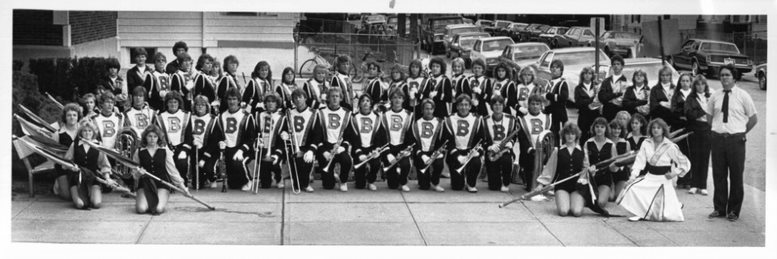
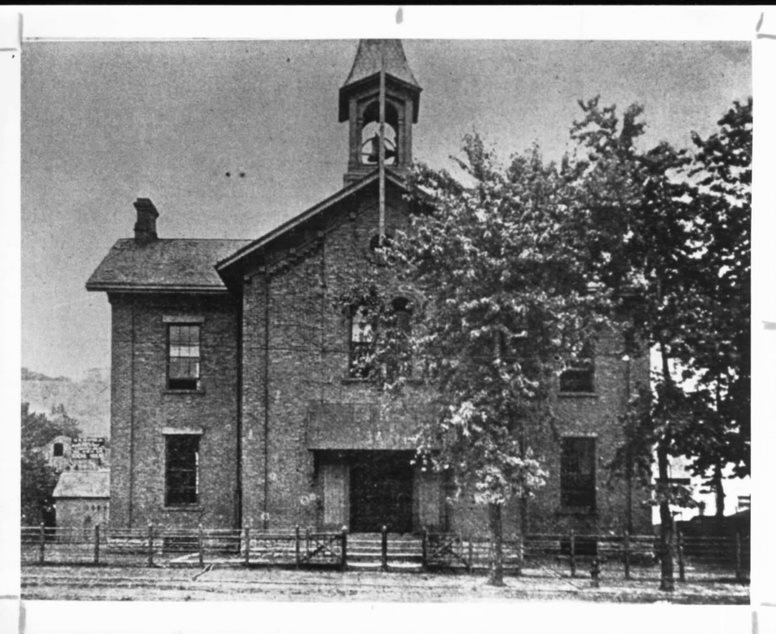
Prior to the establishment of the Bellevue Independent School District, students attended classes in Newport. Bellevue began operating its first school in 1871 with 119 pupils in a one-room frame schoolhouse. Over time, new brick schools were constructed, including a building to house the high school program in 1907. In 1936, a stadium was added to the facilities with funding from the Works Progress Administration.
Churches played a key role in the development of the community. Methodists, Baptists, Episcopalians, Presbyterians and members of the United Church of Christ all provided spiritual and social activities that enriched the lives of early residents. German Catholics established Sacred Heart Church in 1873. The English-speaking Catholics (Irish) of Bellevue established St. Anthony Parish in 1889. Both parishes established parochial schools.
Growth in Bellevue increased dramatically with the arrival of Greenline streetcar service in the early 1890s. This pivotal link to Newport, Covington and Cincinnati resulted in a building boom in Bellevue. New homes and businesses multiplied along Fairfield Avenue (Route 8) and new subdivisions were constructed. Also during this time, Bellevue became known throughout Greater Cincinnati for its beaches along the Ohio River—Primrose Beach and Queen City Beach were two of the most popular. These beaches provided a cool respite during the summer months and drew thousands of people every day. Eventually, river pollution closed the beaches, but fond memories remain.
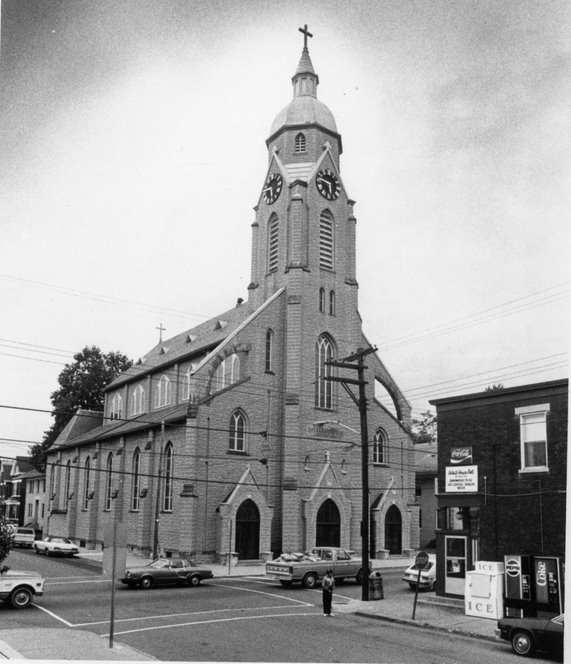
The architectural highlight of the city is Sacred Heart Church—Herz Jesu Kirche in German (now Divine Mercy Parish after a merger with St. Anthony in 2003). The current Sacred Heart Church was designed by regionally known architect Louis Picket in 1892 at the corner of Taylor and Division Streets. The church was built at the cost of $30,279.53. The 1915 tornado destroyed the original steeple; however, it was quickly replaced by a beautiful copper cupula. During the 1920s, the parish made many improvements including the installation of hand-carved wooden altars imported from Europe and a series of paintings depicting the life of Christ by local artist Leon Lippert. The result is a spectacular Gothic Revival structure that dominates the Bellevue skyline to this day.
During the 1920s, city officials annexed a significant amount of territory south of the original plat. One of the more popular neighborhoods was named Bonnie Leslie. These new subdivisions quickly filled up with middle class homes built in the various styles popular at the time including bungalows, Colonial Revival and Tudor. By 1930, the city had grown to a population of nearly 8,500.
While the 1937 flood caused catastrophic damage to the Northern Kentucky river cities, the topography of Bellevue played in its favor. Much of the city was built on high ground and major portions were spared water damage.
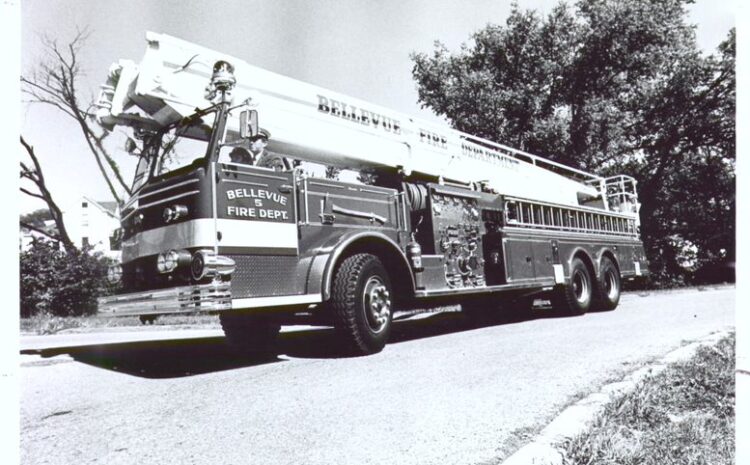
The years following World War II brought many changes to Bellevue. These were the years of the baby boom with the population of the city peaking at 9,336 in 1960. Both the public and parochial schools were bursting at the seams. Bellevue Independent School District boasted an enrollment of over 1,200 and Sacred Heart and St. Anthony Elementary Schools had a combined enrollment of 870 in 1955. Other advancements included a new firehouse in 1956 (the Bellevue and Dayton Fire Departments merged in 2002) and the development of the Bellevue Plaza on the old Sixth Street fill.
Like many over river cities in the region, Bellevue began a slow but steady decline as residents began to move to the suburbs. Things began to turn around in the 1980s. Mayor Tom Wiethorn and a group of dedicated city officials and residents recognized the historic character of the city and began making plans. Working with state and national leaders, the Fairfield Avenue and the Taylor Daughters Historic Districts were established and listed on the National Register. The old Bellevue High School and St. Anthony Elementary School were transformed into housing, Sacred Heart Church was placed on the National Register and a detailed plan was set into place to bring businesses back to the city. In time, Fairfield Avenue was once again lined with small shops and restaurants and the riverfront was booming.
Bellevue has again become a place to see and be seen!
