

Two waves of Irish immigrants have shaped the region
The Irish who settled Northern Kentucky were often overshadowed by the larger number of German settlers in the region. Despite their smaller numbers, the Irish left a legacy in the region and played a major role in business, politics and government.
Irish immigration to Northern Kentucky can basically be divided into two phases. The first phase arrived prior to the 1850s and were mostly from Northern Ireland (Ulster). These Ulster Irish were mostly Protestant. The second phase were the Famine Irish. The Famine Irish arrived as early as the late 1840s. They came predominantly from what is today the Republic of Ireland and were predominantly Catholic.
Scotland and Northern Ireland have a long and shared history. Divided only by the narrow North Channel of the Irish Sea, the two peoples participated in trade for hundreds of years. Eventually, Scots began to settle in Northern Ireland and the two cultures formed a deep partnership. This Scottish settlement was primarily limited to the northern counties of Ireland know as Ulster. Many of the Scots were Presbyterian, others were members of the official Church of Scotland. In 1610, the British also began encouraging their citizens to settle in Ulster. The British were primarily Anglican. As a result of this migration, Ulster became a mix of cultures and religions: Catholic Irish, Presbyterian and Church of Scotland Scots, and Anglican Brits. The remainder of Ireland remained Irish and Catholic.
The defeat of Catholic James II by Protestant William the Orange in 1690 at the Battle of Boyne sealed Ireland’s fate. Ireland basically became a possession of Britain and would be treated as a colony for more than 200 years.
The 1700s proved to be difficult for the Ulster region of Ireland. Economic depression, the lack of available farmland and several years of failed harvests resulted in many from the region migrating to what would eventually become the United States. Most of the Ulster Irish settled in Virginia and North and South Carolina. By the time the first census of the United States was taken in 1790, these first Irish immigrants had made their way as far west as Kentucky, including Northern Kentucky. Thomas Kennedy, one of the original founders of the city of Covington, was of Irish descent. It was not until the arrival of the Famine Irish in the 1840s that the term Scots Irish began to be used.
The Scots Irish in Northern Kentucky quickly established themselves in business and industry. Their presence in a community usually could be identified by the establishment of a Presbyterian congregation. Most members of the Church of Ireland became members of the Anglican (Episcopalian) Church. Many of these early immigrants spoke English, which gave them an advantage over other newcomers, and a significant number practiced trades. The Scots Irish moved up the economic ladder quickly. Many found work in the growing industries in Northern Kentucky, others began their own businesses. The Scots Irish in our region flourished and became a part of the American fabric without much difficulty.
The Famine Irish had a much more difficult path to follow. Under British occupation, much of Ireland was seized by the British or lost due to economic pressures. By 1775, the Irish people owned little more than 5% of Irish land. Significant numbers were forced into tenant farmer status by the British. In addition, the British government passed numerous laws that tried to destroy Irish culture and the Catholic Church in Ireland. Public Mass was forbidden, clergy were forced to register with the state, religious orders were outlawed in many areas, and Catholics could not hold public office or own a firearm in their own country and were forbidden to practice law or serve in the military.
By the time the Irish Potato Famine (now known as the Great Hunger) emerged, the Irish were already suffering. Potato crop failures beginning in 1845 were catastrophic. Between 1845 and 1851, the population of Ireland decreased by more than 3 million. More than a million Irish died of disease and starvation and 2 million more fled, many to the United States.
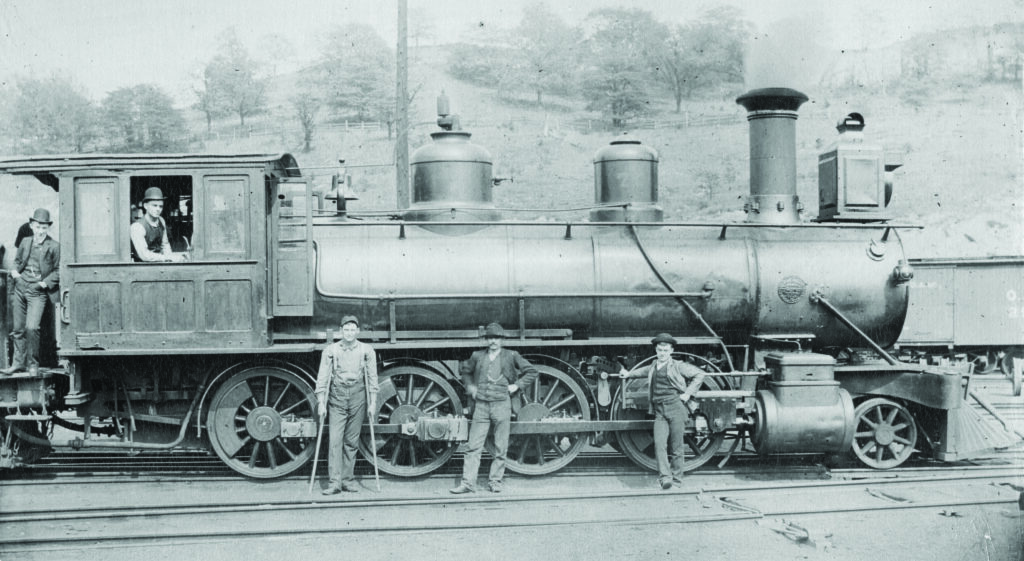
The Famine Irish arrived in the United States, poor, illiterate, unskilled and Catholic. Many were shunned, most lived in squalid conditions in cities on the east coast and had to rely on themselves and their community for support. Despite these difficulties, the Famine Irish found work digging canals, building railroads and as day laborers. Over time, civil service jobs became open to the Irish and life improved.
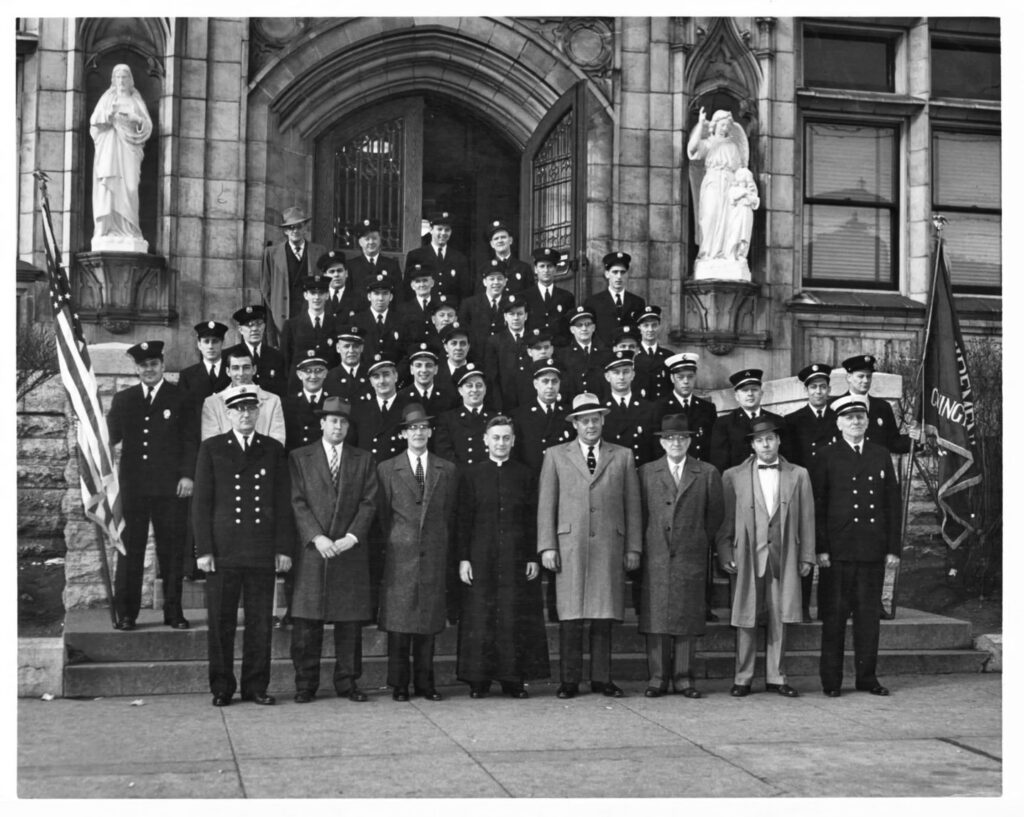
A number of Famine Irish found their way west to Cincinnati and Northern Kentucky. Irish Catholic parishes were soon established. The traditionally Irish Catholic Parishes in Northern Kentucky were St. Mary (later the Cathedral), St. Patrick and St. Ann in Covington; Immaculate Conception in Newport; St. James in Ludlow and St. Anthony in Bellevue. Irish Catholic parochial schools soon followed, all staffed by the Sisters of Charity of Nazareth of Kentucky (an American, English-speaking order of women religious).
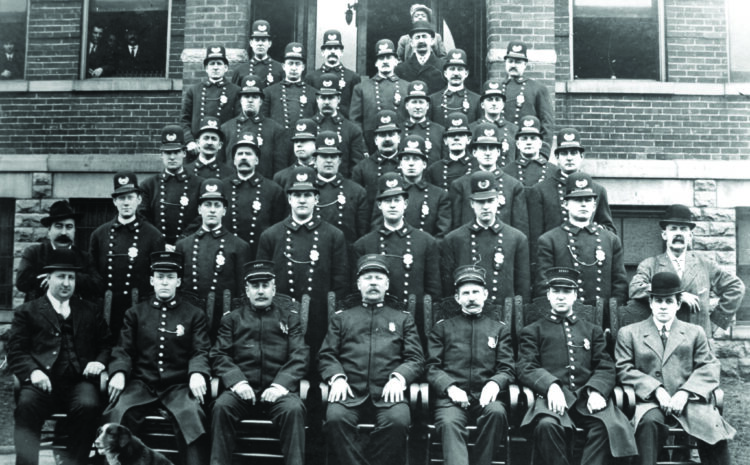
The Irish in Northern Kentucky eventually became police officers, firefighters, distillers, mayors, legislators and entered the professions. Their influence in the community has been a lasting one.
By David E. Schroeder, executive director of the Kenton County Public Library
