

Residents can turn their waste into compost soil
Residents of Covington can soon turn their food scraps into compost, rather than dump it in city trash cans. Covington Solid Waste & Recyling officials have joined a program where residents can reduce their environmental footprint by composting waste, taking up less space in landfills.
The composting bin—established by Queen City Commons—is located at Redden Gardens, a community garden at 909 Scott Blvd. Residents who sign up for the service at Cincinnati Compost Service – Queen City Commons can visit 24/7. The food scraps are then hauled away to be turned into soil compost.
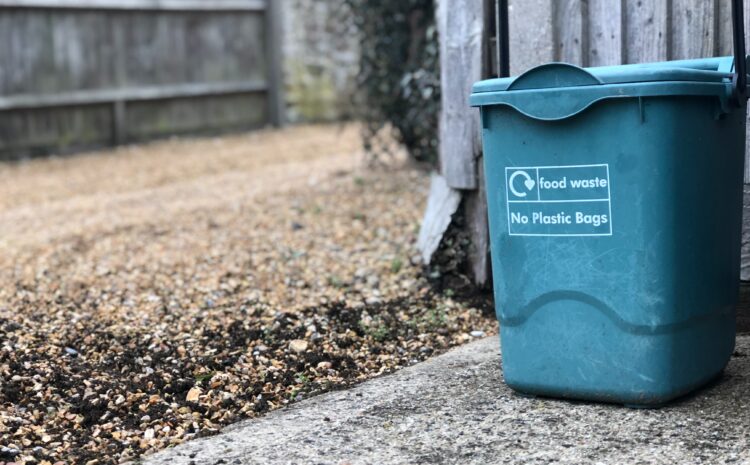
The service is available for a nominal monthly fee that adjusts on a sliding scale depending on a family’s financial circumstances. After a resident signs up, they’ll get an automated email on how to access the bin, its location, the combination lock, and other important information. The fee includes a 5-gallon bucket with a lid residents can use to collect and transport food waste.
“Right now, we have some 9,000 families in Covington who recycle things like cardboard and soup cans, but we hear all the time from people who want to do more,” Sheila Fields, Covington’s Solid Waste & Recycling Manager, said. “This is a great option.”
The bin accepts common household waste—such as potato peels, apple cores, eggshells, carrot tops, moldy bread, napkins, paper towels, and paper coffee filters.
Fields said Covington is helping Queen City Commons spread the word and build a subscription list as officials are closely watching the program to gauge its interest.
“In many ways this is a pilot project,” Fields said. “If there’s enough participation, we could make the case for a greatly expanded program that includes curbside service. Ultimately, Covington wants to do a better job of reducing its collective impact on the water, air, and the earth.”