


St. Elizabeth’s Dr. Troy Schumann has some advice for those looking to live healthier and lose weight
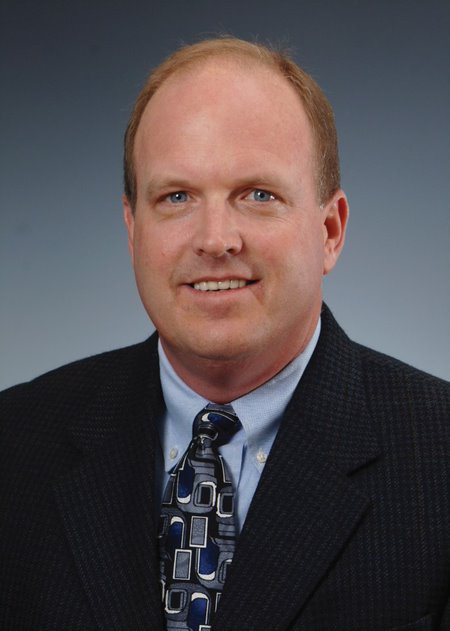
With the end of the pandemic seemingly in sight, many of us are realizing that we’ve developed some unhealthy habits while staying home. Comfort eating, binge watching and Zoom happy hours may have been emotionally satisfying, but they weren’t so great for our bodies. We spoke with Dr. Troy Schumann, medical director of St. Elizabeth Healthcare’s Weight Management Center, for tips on developing healthy habits and why medical assistance can be beneficial no matter your goal.
Start Small
Schumann says that starting with small changes is often a way to start living a bit healthier and to make you more aware of where you need to improve.
“The thing that I like people to do is start tracking. A lot of times, we don’t really realize how much we put in until we write it down,” he says. He encourages clients to write down the dietary information of a meal before they eat it to make them more aware of what they’re putting in their body.
Another tip is to develop an activity plan. This can be as simple as going for a walk—it’s more important to start being more active than it is for you to head to a gym. “The current recommendation is to do 10,000 [steps], but if you’re starting at two, that means the next week, I want to try to get t0 three so we can build into a way of increasing that,” Schumann says.
Another simple change? Start drinking more water. Many people are actually thirsty when they think they’re hungry, so being well hydrated could decrease how much you’re eating.
Don’t Fixate on Weight
“People aren’t looking at weight the way they should. They’re looking at it as a symptom and not a disease when it’s truly a disease,” says Schumann. Many health issues—such as high blood pressure and high cholesterol—stem from additional fat in the body, so treating that fat can actually improve those other health issues. Just 5% total body weight loss can lead to health benefits.
“You see improvement in blood pressure, cholesterol, diabetes, sleep apnea, fatty liver disease,” he says.
And keep in mind that it’s fat, not muscle or water weight, that is the problem. It’s not uncommon to lose fat but gain muscle, which may lead to little change in your total weight.
Don’t Be Afraid to Get Help
Schumann says that anyone who struggles with their weight could benefit from medical assistance, even if you’re only looking to lose 20 pounds. A doctor can ensure that your weight loss doesn’t impact other aspects of your health or interfere with current medications.
“It’s not about how heavy people are,” says Schumann. “It’s just a matter of how much accountability. If you have accountability once a week, you do better than if you have it every other week or every third week. So that accountability, that helps them stay true to what they’re trying to accomplish.”
